
Biomass Pellet Making Machine: The Future of Sustainable Energy
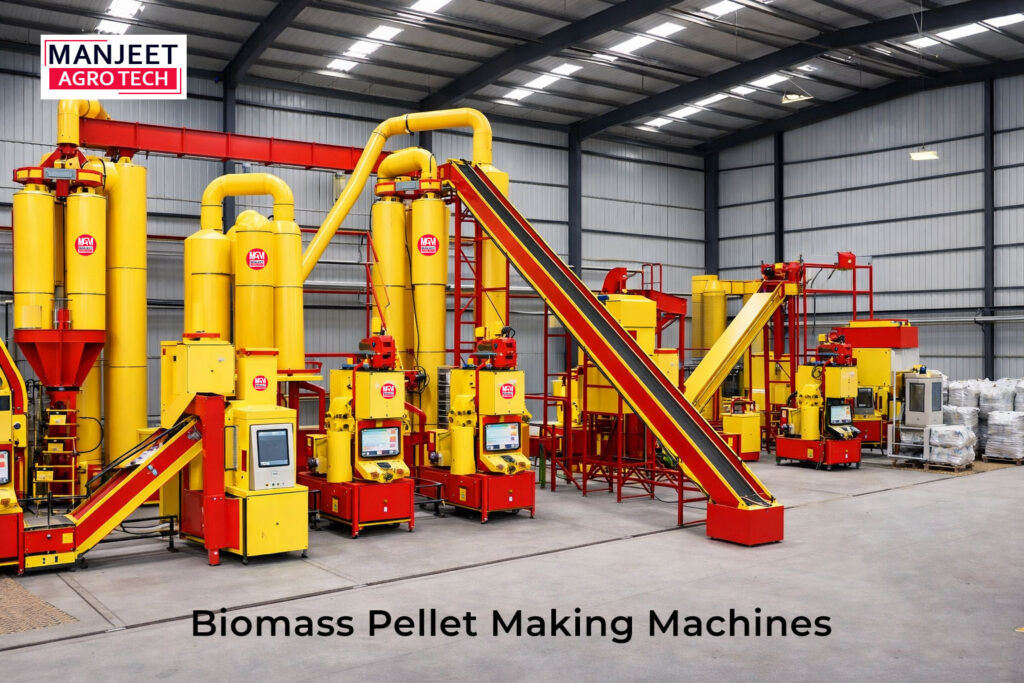
In an era where the global community is rapidly shifting toward renewable energy and eco-friendly resources, “biomass energy” has emerged as a revolutionary solution. Whether it is agricultural residue or wood sawdust, converting organic waste into high-value fuel is made possible through a biomass pellet making machine.If you are an entrepreneur, a farmer, or a renewable energy enthusiast, this guide will provide an in-depth look at everything you need to know about pellet production technology.
Thank you for reading this post, don't forget to subscribe!What is a Biomass Pellet Making Machine?
At its core, a biomass pellet making machine is a specialized piece of industrial equipment designed to compress organic waste—such as sawdust, straw, rice husk, and corn stalks—into small, cylindrical, high-density pellets. These pellets are primarily used for heating and power generation in both residential and industrial sectors.This transformation process is known as “Pelletization.” The primary goal of this equipment is to reduce the volume of bulky waste material while significantly increasing its energy density and combustion efficiency (calorific value).
Industry Synonyms and Equipment Variants
In the global market, this machinery is referred to by several professional terms and synonyms, depending on its specific application:
- Pellet Mill: Usually refers to large-scale production units.
- Fuel Pellet Press: Focuses on the mechanical pressure used to create fuel units.
- Wood Pelletizer: Specifically used when the raw material is timber or wood waste.
- Biomass Densification System: A technical term for the process of increasing material density.
- Granulator: Often used when referring to the production of smaller granules or feed.
Why is the Demand for Pellets Skyrocketing?
Traditional fossil fuels like coal and LPG are not only becoming more expensive but are also major contributors to environmental degradation. In contrast, fuel produced by a biomass pellet making machine offers several advantages:
- Carbon Neutrality: The CO2 released during combustion is equal to the amount absorbed by the plants during their growth, making it a closed-loop cycle.
- Economic Viability: Agricultural waste is often available at a very low cost, allowing for a reduction in fuel expenses by nearly 40-50%.
- High Calorific Value: Pellets burn much cleaner and longer than loose biomass waste due to their compressed nature.
- Ease of Transport: Because they are dense and uniform in shape, they are much easier to store and transport than bulky raw waste.
How the Machine Works: The Production Process
Understanding the mechanics of a biomass pellet making machine is essential for anyone looking to enter the industry. The process typically follows these critical stages:
A. Raw Material Preparation (Crushing)
The raw waste must be uniform in size. If the material is too large (like branches or corn cobs), it is passed through a “Hammer Mill” or “Crusher” to reach a consistency of about 3-5mm.
B. Moisture Regulation (Drying)
For high-quality pelletization, the moisture content should ideally be between 10% and 15%. A “Rotary Dryer” is used to remove excess moisture, as material that is too wet will not form solid pellets.
C. Pelletizing (The Core Stage)
The prepared material enters the biomass pellet making machine. Inside, a ‘Die’ (mold) and ‘Rollers’ work together. The rollers press the material through the small holes of the die under immense pressure. This creates friction and heat, which activates “Lignin”—a natural polymer in plants. Lignin acts as a natural glue, binding the material into solid, shiny pellets without the need for chemical additives.
D. Cooling and Screening
Upon exiting the machine, the pellets are very hot and soft. They are moved into a “Counter-flow Cooler” to harden and reach room temperature. Finally, a screen removes any dust or broken bits before the final product is bagged.
Types of Biomass Pellet Making Machines
Choosing the right type of equipment depends on your production goals. There are two primary designs available:
Flat Die Pellet Mill
This design is ideal for small-scale production, home use, or small farms. It features a flat horizontal die with rollers moving over it. It is compact, affordable, and easy to maintain.
Ring Die Pellet Mill
This is the workhorse of the industrial sector. It features a vertical circular die. It is designed for continuous, heavy-duty operation with capacities ranging from 1 ton to over 20 tons per hour. While more expensive, it offers higher durability and superior pellet quality.
Versatility of Raw Materials
One of the greatest strengths of a biomass pellet making machine is its ability to process a wide variety of inputs:
- Wood Residuals: Sawdust, shavings, bark, and furniture scrap.
- Crop Residue: Rice husk, wheat straw, sugarcane bagasse, and peanut shells.
- Energy Crops: Bamboo, switchgrass, and miscanthus.
- Animal Waste: Even dried cow dung can be processed into fuel pellets for specialized boilers.
Business Profitability and Market Outlook
Investing in a biomass pellet making machine is not just an environmental choice; it is a lucrative business model. Many governments now provide subsidies for “Waste-to-Energy” projects to discourage the open burning of crop residue.
- Diverse Markets: You can sell your product to power plants, textile mills, hotels, community kitchens, and even residential users who own pellet stoves.
- Scalability: You can start with a small unit and scale up as you secure more raw material contracts.
- Waste Management: In many regions, factories will actually pay you to take away their wood sawdust or husks, further increasing your profit margins.
Essential Maintenance for Longevity
To ensure your fuel pellet press runs efficiently for years, follow these maintenance protocols:
- Strict Lubrication: High-speed bearings and rollers must be greased frequently to prevent overheating.
- Die Maintenance: Always clear the die holes at the end of a shift to prevent the material from hardening and clogging the machine.
- Metal Detection: Use magnetic separators to ensure no nails or metal scraps enter the machine, as these can cause catastrophic damage to the die.
- Wear Part Management: Keep spare rollers and dies in stock, as these are “consumable” parts that will eventually wear down due to high friction.
Choosing the Right Vendor
When searching for a biomass pellet making machine, don’t just look at the lowest price. Consider the following:
- Material Quality: Ensure the die is made of high-grade alloy steel or stainless steel.
- Motor Specs: Look for branded motors with 100% copper winding.
- After-Sales Service: Technical support and the availability of spare parts are more important than the initial discount.
- Testing: Always ask for a trial run using your specific raw material before finalizing the purchase.
The Environmental Impact
By utilizing a biomass pellet making machine, we address two problems at once: waste disposal and carbon emissions. Instead of letting agricultural waste rot or burn in the fields—releasing uncontrolled pollutants—we convert it into a standardized, clean-burning fuel. This supports the “Circular Economy” where nothing is wasted.
Conclusion
In summary, a biomass pellet making machine is the bridge between environmental waste and profitable energy. It empowers farmers to earn extra income, helps industries lower their carbon footprint, and provides a sustainable alternative to depleting fossil fuels.
Whether you are looking to start a small-scale local business or a massive export-oriented factory, the pellet industry offers a promising and green future.