
Biomass Briquette Machine in Punjab | Solution of Parali
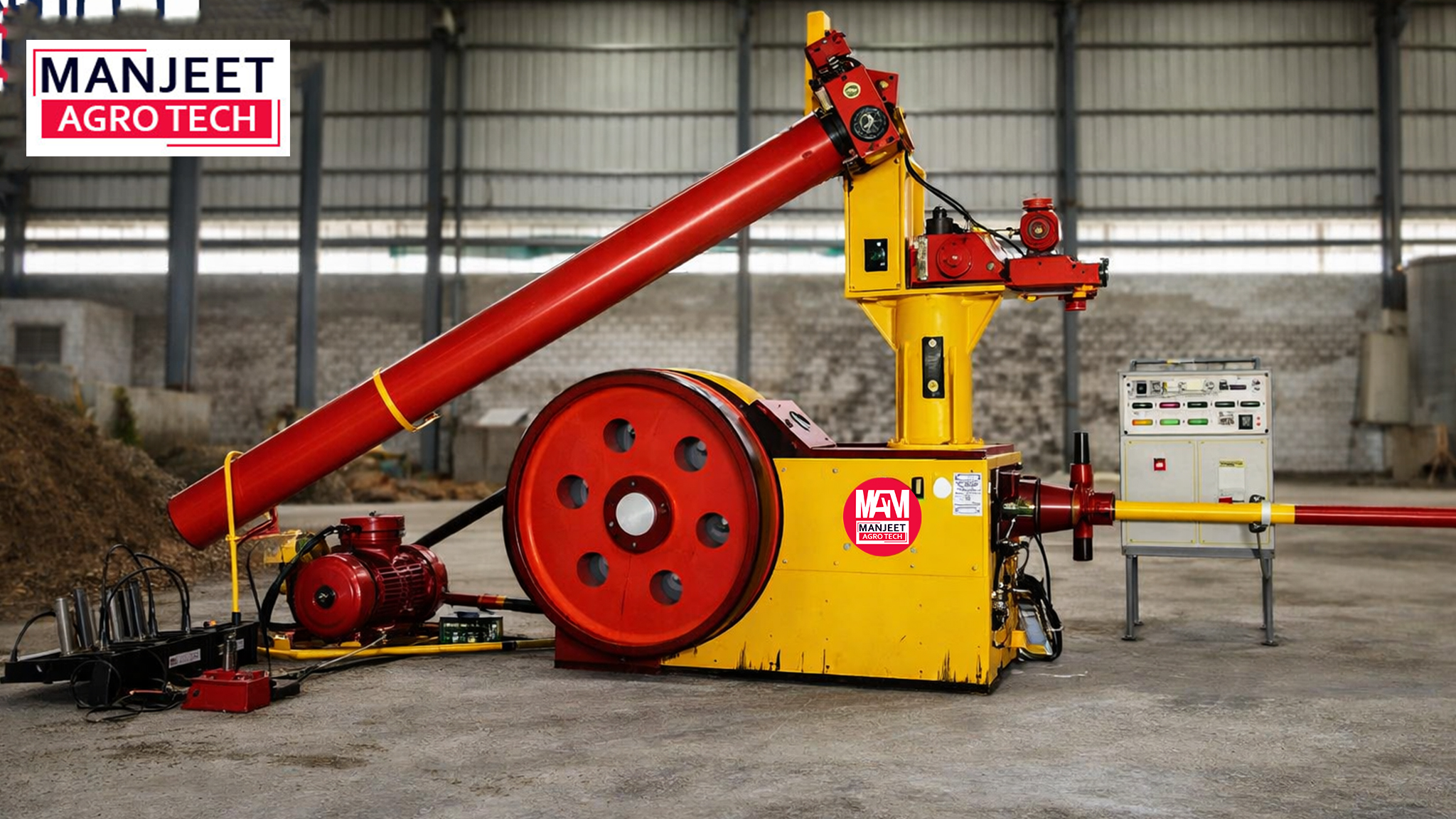
Punjab is known as the agricultural backbone of India, producing massive quantities of crops like wheat and rice every year. Along with this productivity comes a serious challenge—managing agricultural waste, especially crop residue like parali (stubble). In recent years, the issue of stubble burning has become a major environmental concern. This is where the biomass briquette machine in Punjab emerges as an effective and sustainable solution.
Thank you for reading this post, don't forget to subscribe!What is a Biomass Briquette Machine?
A biomass briquette machine is a mechanical device designed to convert agricultural and organic waste into compact, solid fuel blocks known as briquettes. These briquettes are formed by compressing biomass materials such as rice husk, wheat straw, sawdust, and other residues under high pressure. The process does not require any chemical binders, as the natural lignin present in biomass acts as a binding agent.
These briquettes serve as an eco-friendly alternative to traditional fossil fuels like coal and wood. They burn efficiently, produce less smoke, and are widely used in industries for heating and energy generation. The adoption of a biomass briquette machine in Punjab is steadily increasing as awareness about sustainable practices grows.
Importance of Biomass Briquette Machine in Punjab
Punjab generates millions of tons of agricultural residue every year, especially after the harvesting of paddy crops. Farmers often find it difficult to manage this residue due to time constraints between harvesting and sowing seasons. As a result, they resort to burning parali, which leads to severe air pollution.
The biomass briquette machine in Punjab plays a crucial role in addressing this issue. Instead of burning crop waste, farmers and industries can use this machine to convert residue into valuable fuel. This not only reduces environmental pollution but also creates an additional source of income.
Problem of Stubble Burning in Punjab
Stubble burning has been a persistent issue in Punjab for decades. While it is a quick and inexpensive method for clearing fields, it has devastating consequences on the environment and human health.
Some of the major disadvantages of burning parali include:
The smoke generated from stubble burning does not remain confined to Punjab but spreads to nearby regions, worsening air quality on a large scale. This makes it essential to find a long-term and practical alternative.
1. Increase in respiratory diseases among people:
The polluted air contains toxic gases and fine particles that enter the lungs. This increases cases of asthma, bronchitis, and other breathing problems.
2. Loss of soil nutrients and reduced fertility:
Burning parali destroys essential nutrients like nitrogen and potassium in the soil. This reduces soil fertility and affects future crop productivity.
3. Contribution to greenhouse gas emissions:
Stubble burning releases carbon dioxide, methane, and other greenhouse gases. These gases contribute to global warming and climate change.
4. Negative impact on nearby ecosystems:
The heat and smoke from burning harm nearby plants, animals, and microorganisms. It disrupts the natural balance of the ecosystem.
How Biomass Briquette Machine Solves This Problem
The biomass briquette machine in Punjab offers a sustainable solution by converting agricultural waste into useful fuel. Instead of burning the residue, farmers can supply it to briquette manufacturers or set up small-scale units themselves.
The process involves collecting the crop residue, drying it if necessary, and then compressing it into briquettes using the machine. These briquettes can then be sold to industries or used as fuel in boilers and furnaces.
This approach not only eliminates the need for burning but also promotes waste-to-energy conversion. It helps in reducing pollution while supporting the circular economy.
Benefits of Biomass Briquette Machine in Punjab
The adoption of this technology offers multiple benefits for farmers, industries, and the environment. Some key advantages include:
In addition to these benefits, industries also gain access to a cost-effective and sustainable fuel source. This makes the biomass briquette machine in Punjab an economically viable option.
1. Reduction in air pollution caused by stubble burning:
Using this machine prevents the burning of crop residue, reducing harmful smoke and pollutants. It helps improve air quality and lowers environmental damage.
2. Additional income opportunities for farmers:
Farmers can sell agricultural waste instead of burning it. This creates an extra source of income and adds economic value to waste materials.
3. Efficient waste management solution:
The machine converts large amounts of agricultural waste into useful fuel. This helps in managing residue effectively without harming the environment.
4. Lower dependence on coal and fossil fuels:
Briquettes act as an alternative to traditional fuels like coal. This reduces reliance on non-renewable energy sources.
5. Environmentally friendly fuel production:
The process produces clean and sustainable fuel with low emissions. It supports eco-friendly energy generation.
6. Improvement in soil health by avoiding burning:
Avoiding stubble burning helps retain essential nutrients in the soil. This improves soil fertility and enhances crop yield over time.
Role in Sustainable Development
The increasing use of biomass briquette machines aligns with the broader goal of sustainable development. Punjab, being an agriculture-driven state, has immense potential to convert its waste into energy. This not only addresses environmental concerns but also contributes to energy security.
Government initiatives and awareness programs are also encouraging farmers to adopt alternatives to stubble burning. The biomass briquette machine in Punjab fits perfectly into this framework by offering a practical and scalable solution.
1. Economic Opportunities and Employment
Another important aspect of this technology is its potential to generate employment. Setting up briquette manufacturing units can create jobs in rural areas. From collection and transportation of biomass to machine operation and distribution of briquettes, multiple opportunities arise.
Small and medium enterprises can benefit significantly by investing in this sector. The growing demand for eco-friendly fuel ensures a stable market for briquettes.
2. Challenges and Awareness
Despite its advantages, the adoption of biomass briquette machines is still not widespread. One of the main reasons is the lack of awareness among farmers. Many are unaware of the economic and environmental benefits of this technology.
Initial investment costs and logistical challenges in collecting biomass also act as barriers. However, with proper support from the government and private sector, these challenges can be overcome.
3. Future Scope in Punjab
The future of biomass briquette machines in Punjab looks promising. With increasing environmental concerns and stricter regulations on stubble burning, the demand for sustainable solutions is rising.
Technological advancements are making these machines more efficient and affordable. As more farmers and industries adopt this solution, Punjab can significantly reduce its pollution levels and move towards a greener future.
Conclusion
In conclusion, the biomass briquette machine in Punjab is not just a machine but a solution to one of the state’s biggest environmental challenges. By converting waste into energy, it creates a win-win situation for farmers, industries, and the environment.
Faq's
1. What is a biomass briquette machine?
A biomass briquette machine is a device that compresses agricultural and organic waste into solid fuel blocks called briquettes.
2. Why is a biomass briquette machine important in Punjab?
It helps manage agricultural waste like parali and reduces the need for stubble burning, which causes pollution.
3. What materials can be used in a biomass briquette machine?
Materials like rice husk, wheat straw, sawdust, and other crop residues can be used.
4. How does stubble burning harm the environment?
It causes air pollution, releases harmful gases, reduces soil fertility, and affects human health.
5. Are briquettes better than coal?
Yes, briquettes are eco-friendly, produce less smoke, and are made from renewable resources.
6. Can farmers earn money using this machine?
Yes, farmers can sell agricultural waste or set up briquette units to generate additional income.
7. Is the biomass briquette machine costly?
The cost varies depending on capacity, but long-term benefits and income potential make it a worthwhile investment.